


Top 10 Web Design Trends Dominating 2025: Personalization, Storytelling, and Tech-Driven UX
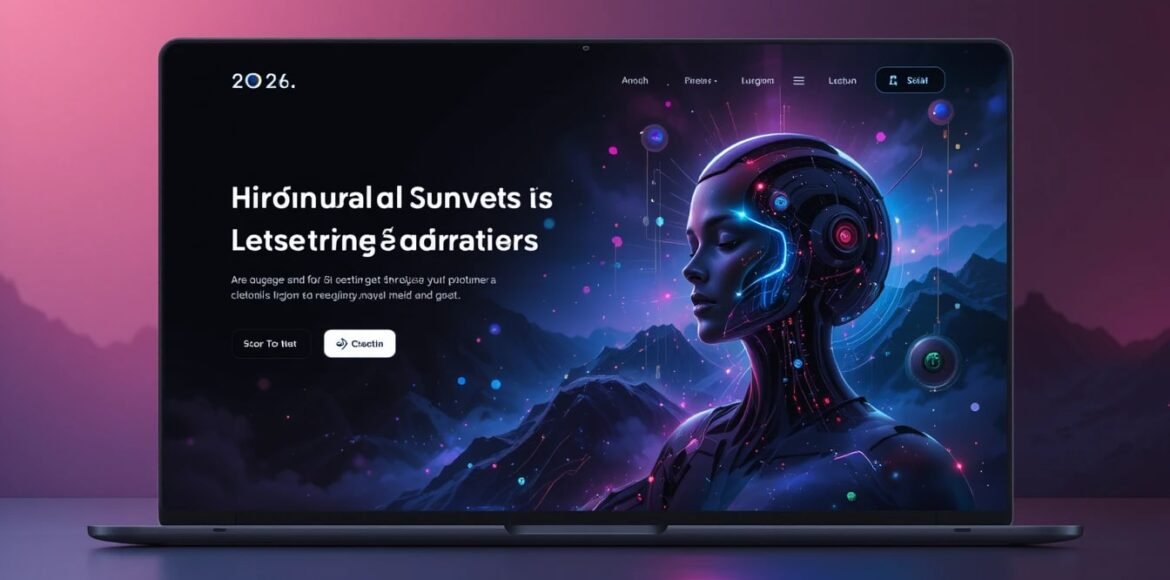
In today’s competitive digital landscape, a well-designed website is no longer optional — it’s pivotal. As brands race to capture attention, trust, and engagement online, design trends are becoming more immersive, intuitive, and intelligent. Looking ahead to 2025, the web isn’t just evolving — it’s transforming user expectations. Here are 10 design trends redefining how successful companies build digital experiences that convert and connect.
AI-Powered Personalization Becomes the New Standard
Generic content is officially passé. In 2025, artificial intelligence is enabling sites to adapt in real-time to who’s visiting. From dynamic landing pages based on previous behavior to location-aware banners and tailored product recommendations, personalization builds deeper engagement. The result? Higher conversions and fewer bounces. Progressive SaaS sites and e-commerce platforms are already integrating this seamlessly into their tech stack.
Scroll-Based Storytelling Elevates User Experience
The rise of cinematic, scroll-triggered storytelling is making static web pages feel obsolete. Smooth animations, interactive visuals, and embedded video transitions create a narrative journey as users navigate down the page. Beyond aesthetics, these experiences promote longer dwell times — a factor Google rewards in search rankings. For brands focused on emotional impact and clarity of message, this isn’t just a trend — it’s strategy.
Dark Mode and Matte Tones Redefine Aesthetics
With user eye strain and screen fatigue top of mind, the popularity of dark mode is more than a visual preference — it’s about comfort. Web designers in 2025 are embracing matte blacks, rich jewel tones, and elegant high-contrast schemes that feel both luxurious and functional. Smart toggle features that switch between light and dark modes give users control over how they view content, enhancing accessibility and inclusivity.
Retro Design with a Modern Twist
The digital equivalent of nostalgia marketing is here. Pixel-style icons, gradient typography, Y2K color palettes, and bold retro fonts are making a comeback — but with a UX-first mentality. Whether you’re a SaaS startup or a lifestyle brand, fusing vintage aesthetics with responsive, lightning-fast experiences helps differentiate your online presence.
Authenticity Through Hand-Crafted Visuals
Human-centric design is gaining traction. Visual imperfection — whether watercolor textures, hand-sketched icons, or handwritten fonts — invites trust and authenticity. Especially for creative founders and boutique firms, these elements cut through the noise of overproduced digital sameness, adding immediacy and originality to your brand story.
Micro Interactions: Small Touches, Big Impact
The best UX often lives in the tiniest details. Expect 2025 sites to be full of interactive easter eggs: icons that bounce subtly when clicked, buttons that shimmer on hover, and animations that reward clicks with micro-feedback. These seemingly minor delights improve UX, convey brand personality, and make digital interactions feel tactile and rewarding.
Voice-Activated Interfaces Go Mainstream
With the proliferation of voice assistants and smarter devices, voice input is finally breaking into web UX. Modern websites are incorporating voice search and navigation options to streamline the browsing journey — especially for users on-the-go or those requiring accessibility support. This is a frontier worth exploring, especially for B2B tools and platforms where intuitive support matters.
Green Web Design: Minimalism with a Mission
Digital sustainability is no longer fringe. Clean code, compressed media, and lean frameworks that reduce carbon emissions are becoming hallmarks of future-ready web development. Not only is eco-conscious design ethical — it’s practical. Search engines and users alike prefer fast, efficient, energy-saving websites.
An “All-in-One” Homepage Model Emerges
Multi-page websites are giving way to anchored, scrollable homepage hubs. These comprehensive, single-page sites allow users to find every key section — from About to Contact — without leaving the initial experience. For mobile users especially, this simplicity improves navigation speed and reduces drop-off rates.
Interactive Product Experiences Drive Engagement
Rather than showcasing features passively, leading platforms are embracing interactive demos. From AR-based product try-ons to 3D mockups and clickable SaaS dashboards, creating an environment where users can “test before they trust” is both engaging and persuasive. For businesses selling tech tools or digital products, these immersive features boost customer confidence while minimizing friction in the buyer’s journey.
Ultimately, web design in 2025 is all about merging emotional resonance with cutting-edge tech. The winning formula? Empathetic interfaces, seamless interactivity, and a proactive embrace of personalization and sustainability. Whether you implement one or all of these trends, staying ahead is about anticipating what your users will want — before they even know it themselves.
Designing digital platforms in 2025 requires more than pixel-perfect visuals — it demands strategic UX thinking rooted in user behavior, automation, and scalability. At DevSparks, our team specializes in creating future-proof websites and SaaS interfaces that leverage AI personalization and performance-first design — helping innovative companies lead, not follow.