


The Future of Web Development: 10 Game-Changing Trends Shaping the Digital Landscape
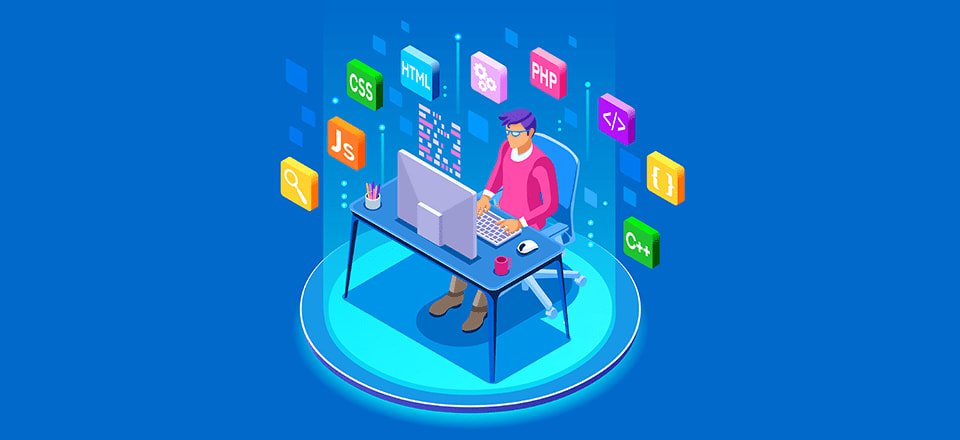
Web development is moving faster than ever, powered by advancements in automation, artificial intelligence, and user-first digital strategies. As businesses increasingly depend on web experiences to drive growth, understanding where the industry is headed is crucial. In this guide, we unpack the most pivotal web development trends shaping the future of digital products, platforms, and interactive experiences.
### 1. AI and Machine Learning Are Revolutionizing Web Development
Artificial Intelligence (AI) and Machine Learning (ML) are no longer buzzwords—they’re embedded into the future of web development. Smart platforms can now automate everything from layout generation and design elements to real-time personalization and cybersecurity defense. Expect to see AI:
– Auto-generate boilerplate code and handle debugging
– Power hyper-personalized UX with behavioral analytics
– Detect and respond to cybersecurity threats in real time
Modern developers and SaaS founders must integrate AI-assisted tools to improve productivity, launch faster, and build smarter.
—
### 2. Progressive Web Applications (PWAs) Leading Mobile Optimization
PWAs are transforming how businesses bring digital experiences to users. These hybrid solutions combine the usability of mobile apps with the accessibility of web platforms. Key benefits include:
– Offline usability and seamless performance
– Faster load times via service workers
– Secure connections with HTTPS by default
Companies seeking lower development costs and wider reach are increasingly transitioning from native mobile apps to PWAs.
—
### 3. Voice Search and NLP-Driven Interfaces
With the rise of smart assistants like Siri, Alexa, and Google Assistant, web development must adapt to voice-driven navigation. The impact of this includes:
– Optimizing content for voice-based queries
– Implementing Natural Language Processing (NLP) for smarter chatbots
– Deploying intuitive conversational UIs
Voice SEO is now a critical piece of any holistic SEO strategy.
—
### 4. Embracing Web3 and Decentralized Architectures
Blockchain is pushing web development toward decentralization. From smarter transactions to user-owned platforms, Web3 introduces new opportunities:
– Smart contracts for transparency and automation
– Decentralized applications (DApps) powered by blockchain
– Enhanced security through user-controlled data
Developers who embrace Ethereum, IPFS, and smart contract development will stay ahead as decentralized infrastructure matures.
—
### 5. Virtual and Augmented Reality (VR/AR) Go Mainstream
AR and VR are no longer exclusive to gaming. From e-commerce to training simulations, immersive digital touchpoints are becoming part of the user journey:
– AR-enhanced product demos to reduce purchase friction
– Virtual classrooms and interactive education tools
– VR-powered collaboration for remote teams
WebXR and 3D modeling skills will become increasingly valuable in engineering virtual-first experiences.
—
### 6. Cybersecurity and Privacy by Design
With more data traveling through digital ecosystems, security has become a foundation, not a feature. Key changes shaping security practices:
– Zero-trust frameworks to combat evolving threats
– Encryption-first development processes
– GDPR and CCPA reshaping how data is handled
Future-ready developers embed security into every layer of the tech stack.
—
### 7. Rise of No-Code and Low-Code Platforms
No-code and low-code systems empower teams to design and deploy applications rapidly—even with limited technical expertise. Notable outcomes include:
– Reduced development cycles via visual builders
– Faster collaboration across cross-functional teams
– Prototyping and MVP launches without full engineering teams
While developers won’t be replaced, their workflows are evolving to include more abstraction and automation.
—
### 8. The Evolving JavaScript Ecosystem
JavaScript remains central to modern development, but how it’s used is changing. Leading trends include:
– Server-side rendering (SSR) with Next.js for speed and SEO
– JAMstack for high-performing static web architectures
– TypeScript adoption for better scalability and maintainability
Staying current with frameworks like React, Vue, and Svelte is now essential for competitive web application development.
—
### 9. Performance and Scalability Take Center Stage
Slow load times are a conversion killer. Optimizing for speed and scale is now baked into development pipelines:
– Prioritizing Core Web Vitals in every sprint
– Leveraging CDNs and edge computing for global performance
– Intelligent caching and lazy loading for frictionless UX
Speed and UX have become key differentiators in every product.
—
### 10. Ethical and Sustainable Development Practices
As digital carbon footprints grow, clients are demanding ethical, sustainable development strategies:
– Hosting on green-certified platforms to reduce impact
– Minimizing script bloat and enhancing code efficiency
– Ethical AI practices that prioritize data minimization and transparency
Ethical web design adds long-term brand value—and developers will guide this transition.
### Final Thoughts
The future of web development is dynamic, decentralized, and AI-driven. By staying ahead of these trends and embracing new methodologies, developers and product teams can future-proof their projects, improve user experiences, and build scalable digital ecosystems.
Whether you’re evolving a SaaS product or prototyping the next-generation web app, understanding these shifts is crucial. At DevSparks, we closely follow and integrate these innovations—our team supports startups and enterprises in building resilient, modern digital platforms aligned with today’s expectations.
Web development is entering a transformative phase. We’re moving beyond traditional coding into a world of conversational UIs, AI-generated components, and blockchain-powered functionality. To stay relevant, developers—and the businesses that rely on them—must rethink their tech stacks, workflow, and architectural strategies. At DevSparks, we’ve been helping companies navigate these shifts by integrating modern frameworks, AI automation, and distributed architectures into their core platforms. While the pace of change is fast, with the right vision and tooling, it doesn’t have to be overwhelming.