Tesla Faces Legal Repercussions Over Deceptive Autopilot Marketing in California
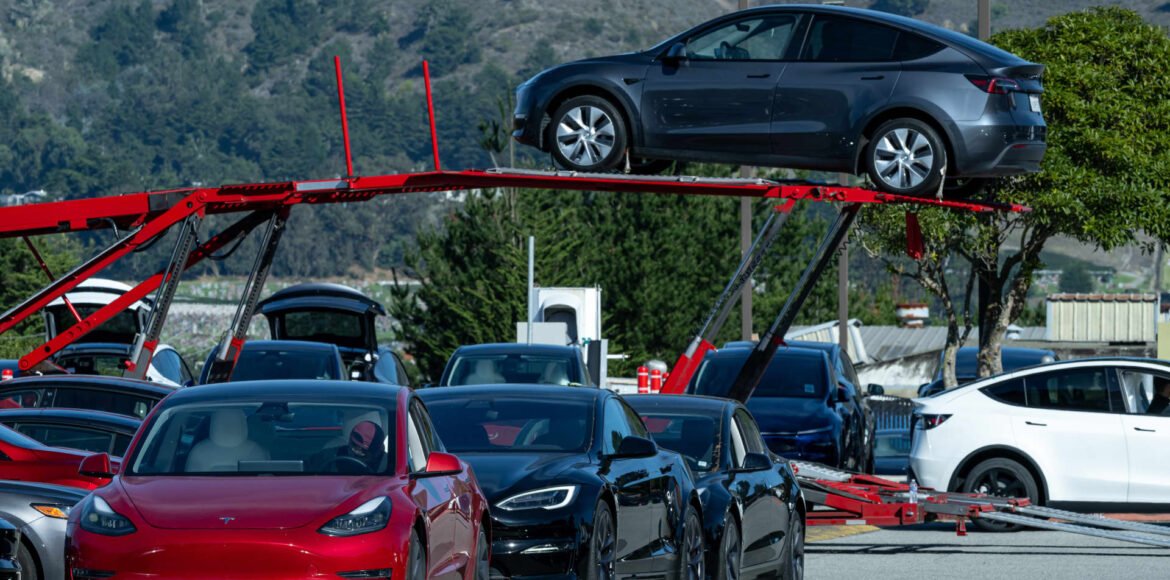
In a pivotal move underscoring increased regulatory scrutiny in the autonomous vehicle landscape, a California administrative law judge has ruled against Tesla, citing deceptive marketing of its Autopilot and Full Self-Driving (FSD) technologies. The judgment directly impacts Tesla’s business in the nation’s largest electric vehicle market, signaling wider implications for both consumer trust and innovation in the self-driving space.
The California Department of Motor Vehicles (DMV), which brought formal complaints against Tesla in 2022, affirmed that the automaker had misled consumers by promoting its driver assistance features as if they were capable of full autonomy. While Tesla refers to the systems as “Autopilot” and “Full Self-Driving,” both require continuous driver oversight and intervention—contrary to what some marketing language has implied.
According to the DMV, the judge recommended a suspension of Tesla’s licenses to sell and manufacture vehicles in California for 30 days. However, the agency has opted for a more measured approach. Tesla will be given a 60-day grace period to address and amend any misleading or confusing claims in its marketing collateral. During this window, manufacturing operations will proceed without interruption.
“A reasonable consumer likely would believe that a vehicle with ‘Full Self-Driving Capability’ can travel safely without a human driver’s constant, undivided attention,” the administrative judge stated. “This belief is false—both legally and technologically.” The verdict stresses that Tesla’s naming conventions and promotional claims were in violation of multiple civil and automotive codes in California.
Notably, Tesla recently rebranded its FSD suite as “Full Self-Driving (Supervised),” a move presumably aimed at tempering expectations and aligning with regulatory perspectives. Yet even as Tesla adjusts terminology, the ruling may have broader ramifications. Alongside the DMV order, a class action lawsuit in California’s Northern District alleges that Tesla knowingly misled buyers over the actual capabilities of its advanced driver assistance systems.
Despite this regulatory setback, Tesla’s market momentum remains strong. On the day the ruling was announced, shares hit a record high, fueled by optimism around the company’s ambitious plans for robotaxis and advanced AI-driven mobility platforms.
A spokesperson from public relations firm FGS Global, speaking on behalf of Tesla, framed the ruling as a technicality rather than a consumer-driven issue: “This was a consumer protection order about the use of the term ‘Autopilot’ in a case where not one customer came forward to claim harm. Sales in California will continue uninterrupted.”
The DMV, however, emphasized that their enforcement is proactive and founded on the potential for consumer misunderstanding, not necessarily existing complaints. The enforcement highlights how state agencies are recalibrating their oversight strategies as technology blurs the line between driver assistance and full autonomy.
For founders and product leaders in the autonomous tech and AI-powered SaaS space, this scenario offers a compelling lesson: As products scale in complexity and promise, clarity and compliance in marketing become just as crucial as the technology itself. Misalignment can trigger brand risk, legal exposure, and erosion of public trust—consequences that are especially costly in regulated industries like mobility and AI.
At DevSparks, we work closely with emerging technology teams to shape digital messaging that’s not only compelling, but also regulatory-compliant and ethically sound. Whether you’re building autoML platforms, deploying computer vision, or marketing LLM-driven features, strategy alignment between product, legal, and communications is essential for long-term credibility and growth.
The Tesla case is a landmark moment reminding us that in the race to lead innovation, trust isn’t a feature—it’s a requirement.
Tesla’s regulatory clash in California is a cautionary tale for any tech company building high-stakes, AI-powered products. At DevSparks, we help SaaS and emerging tech ventures navigate this intersection of innovation, compliance, and customer perception—because product brilliance must be matched by strategic communication and trust-building.