


IBM and Groq Partner to Advance Agentic AI with Real-Time Inference and Enterprise Orchestration
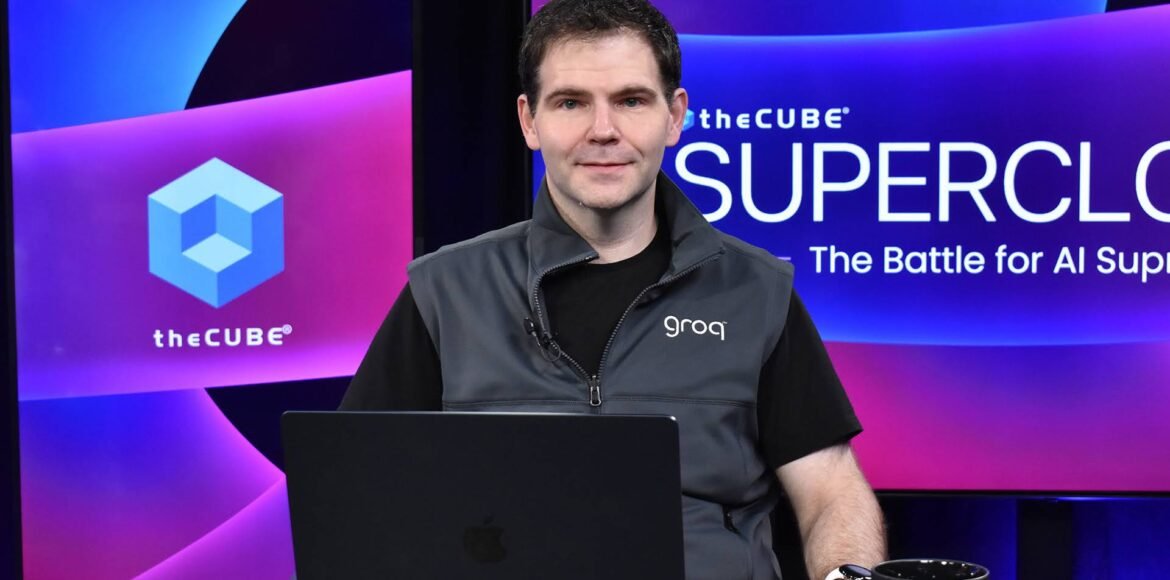
The AI landscape is rapidly evolving, and a major step forward has just been taken by two key players in enterprise technology. IBM and Groq have launched a groundbreaking partnership that fuses IBM’s powerful orchestration software with Groq’s high-speed inference hardware — signaling a defining moment for agentic AI in the enterprise.
### What Is Agentic AI — And Why Does It Matter?
Agentic AI refers to intelligent systems capable of taking autonomous actions to fulfill objectives, rather than just providing predictions or recommendations. These AI agents can perform entire workflows, make split-second decisions, and operate under complex governance and regulatory conditions — a capability now in extremely high demand across enterprise sectors.
IBM’s watsonx Orchestrate is leading the charge from an orchestration and usability perspective. It provides a no-code development environment where even nontechnical teams can command AI agents using natural language, bridging functional gaps across HR, finance, customer support, and IT operations. Its semantic control plane and built-in AgentOps ensure that every automated decision remains auditable, secure, and compliant.
### Groq’s Edge: Determinism and Compiler-Driven Speed
Groq stands out not just because of performance, but because of architecture. Their Language Processing Unit (LPU) uses a deterministic, compiler-driven design that removes latency and scheduling complexity common in GPU-based AI systems. The result: sub-millisecond inference latency and 10× faster performance, making real-time AI execution viable at scale.
More importantly, Groq enables predictable, low-energy consumption across any AI use case — from robotics and trading platforms to healthcare workflows and fraud detection systems.
### Why This Partnership Matters
The integration of GroqCloud into IBM’s watsonx Orchestrate brings a new dimension to AI deployment in the enterprise. Now, companies don’t have to choose between performance and control — they get both. Organizations can run real-time AI agents that are not only fast but governed, explainable, and scalable across hybrid cloud and mainframe environments, including IBM Z and LinuxONE.
This union also enhances developer workflows. Through Red Hat vLLM, developers can seamlessly migrate existing AI apps — from RAG systems to vector databases — onto Groq stacks without major code refactoring.
### Transforming the AI Infrastructure Landscape
This collaboration reflects a larger shift in the tech industry: from AI experimentation to enterprise execution. It doesn’t just showcase powerful inference capabilities — it provides the scaffolding for organizations to deploy intelligent agents with confidence, speed, and elastic scaling.
As Rob Thomas, IBM’s SVP of Software, put it, “Enterprises need to deploy complex AI workflows successfully and consistently. Our partnership with Groq ensures they can do so at the pace business demands.”
### The Bottom Line for Tech Leaders
For product managers, CIOs, and digital transformation leaders, the IBM-Groq alliance offers a blueprint for deploying agentic AI with both agility and governance. Whether you’re building real-time customer service automation, streamlining compliance workflows, or accelerating intelligent decisioning, this model of orchestration + deterministic inference sets the stage for the next leap in AI-enabled innovation.
Agentic AI is redefining how enterprises approach automation and real-time intelligence. This partnership between IBM and Groq signals a maturing market where orchestration platforms must meet hardware that’s not only fast, but transparent and manageable. At DevSparks, we’re seeing a surge of interest from clients looking to integrate intelligent workflows and AI agents into their existing systems. While platforms like watsonx Orchestrate offer the orchestration layer, many businesses need experts who can architect, implement, and optimize these AI pipelines — which is exactly where we support digital transformation initiatives.