
The Smartest Product Launches of 2025—and the Strategies That Helped Them Win
As 2025 draws to a close, a few standout tech and consumer product launches have reshaped markets and captured global attention. But beyond viral headlines and record-breaking sales, the year’s most successful product debuts offer invaluable lessons for B2B tech buyers, startup founders, and digital executives seeking to understand what drives modern product traction.
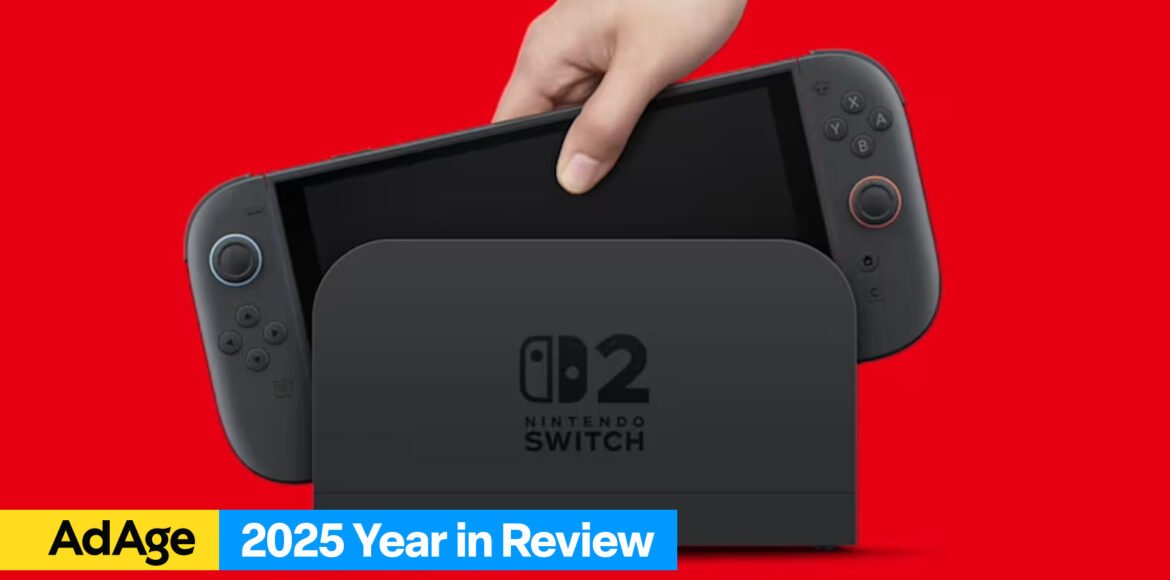
One of the most talked-about breakthroughs came from Nintendo. In just four days, the highly anticipated Switch 2 became the fastest-selling home video game console of all time—a feat rarely seen in mature entertainment markets. But what powered its unparalleled momentum wasn’t just brand legacy; it was a fusion of user-centric innovation, timing, and strategic hype. Nintendo orchestrated a roll-out that blended scarcity with immersive storytelling—pre-release leaks and influencer previews built anticipation organically. Meanwhile, the console’s hybrid architecture appealed to both loyal gamers and newcomers, driven by a reimagined ecosystem of exclusive titles and social gameplay enhancements.
Switch 2’s success exemplifies a broader principle: today’s high-impact launches are about more than hardware or software. They’re about clarity of purpose, frictionless user onboarding, and aligning go-to-market strategy with shifting customer instincts.
In parallel, AI-driven innovations also defined 2025. While generative AI continued dominating tech roadmaps, the real competitive edge came from how companies positioned those tools to solve real-world problems—without overpromising. The Gap’s AI chatbot, for example, launched to automate digital customer conversations. But when it broke character mid-dialogue, it sparked a cautionary wave across the retail sector. Despite the technical hiccup, Gap’s transparency in response—and willingness to evolve its bot with human-in-the-loop oversight—became a masterclass in authenticity and agile iteration.
The incident illuminated an ongoing tension in AI automation: scaling efficiency without compromising on brand trust. For SaaS leaders integrating AI tools, the takeaway is this—ensure your customer-facing automations are both context-aware and adaptable under pressure. A successful AI launch isn’t just about feature richness; it’s about responsible deployment.
2025 also saw a number of startups navigating crowded categories with radical simplicity. Several emerging SaaS platforms broke through simply by deconstructing complexity. Whether it was project management software that finally dropped the clunky Gantt chart model or FinTech APIs designed for plug-and-play use, teams that focused on intuitive user flows consistently outperformed louder competitors. Launches were accompanied by sharply defined narratives—targeting specific buyer personas with precision, not noise.
This underscores the growing importance of positioning in product unveils. Decision-makers today are bombarded with point solutions. What cuts through isn’t more functionality—it’s solution clarity. Founders aiming to replicate 2025’s success stories must bake outcome-driven messaging directly into their launch timelines.
Soft launches also trended upward this year, allowing companies to test-market ideas, iterate based on real-time data, and slowly build a loyal base before scaling publicly. This lean validation loop is especially vital for SaaS products entering legacy-dominated sectors. A measured approach doesn’t hamper velocity—it amplifies it, if data and narrative align intelligently.
At DevSparks, we’ve seen this firsthand through our partnerships with growing tech firms and automation-first startups. High-performing launches begin long before a product hits the homepage—they’re strategically built at the code, brand, and CX levels. Whether crafting AI-backed platforms or business automation workflows, we help scale not just what you build—but how you bring it to market.
The most successful digital products of 2025 didn’t just innovate—they executed intentionally across design, positioning, and delivery. At DevSparks, we work with SaaS teams and innovators to architect launch strategies that resonate deeply with today’s decision-makers—from intuitive UX to AI integration that builds real user trust.